Publications
Every entry is one piece of work. Where a preprint became a paper, both are linked so the progression is visible. Papers with a short summary can be expanded. The list is built from my ORCID record. Data and code releases are listed separately at the end.
Filter papers
2026
64
A One Health trial design to accelerate Lassa fever vaccines
Simons D, Watson-Jones D, Manno D, Friant S
Nature Medicine, 2026 · PDF
Summary
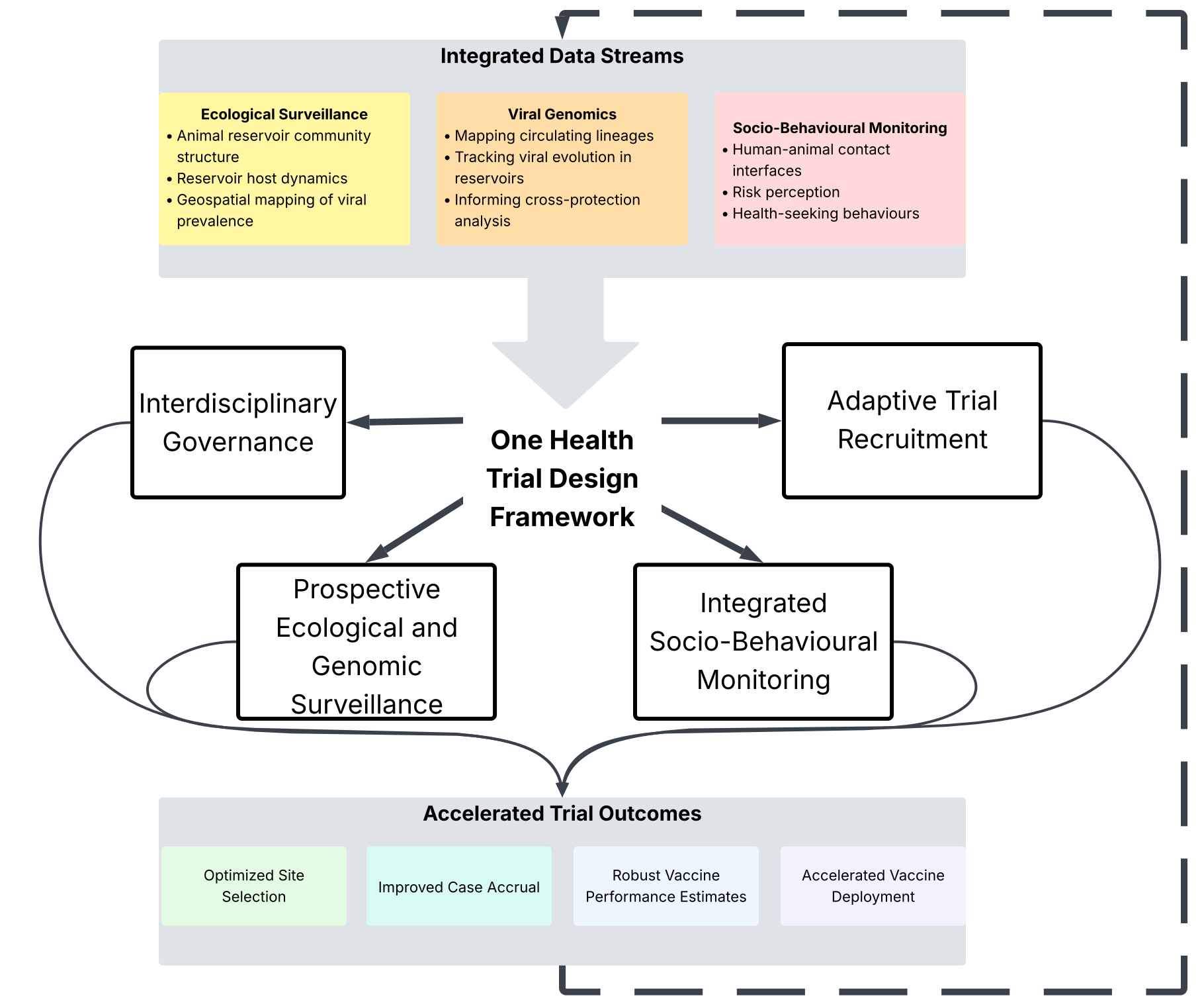
Vaccine trials for zoonotic pathogens face a structural problem. Efficacy endpoints depend on incident infection at trial sites, and spillover from wildlife is spatially and temporally unpredictable. For Lassa fever this uncertainty has slowed candidate vaccines through the pipeline.
This commentary in Nature Medicine sets out a One Health Trial Design in which ecological and social data are integrated at three stages. Viral phylogenetic diversity across the reservoir’s range informs antigen selection. Reservoir distribution models and human-rodent contact data support the choice of sites where attack rates will be sufficient. Heterogeneity in exposure, from household rodent contact to occupation, enters the evaluation of vaccine performance.
Lassa fever is the case study, but the framework is generic to pathogens with a wildlife reservoir and offers a template for preparedness against priority zoonoses.
63
A protocol for biodiversity-informed wildlife disease surveillance
Catchen MD, Banville F, Boutin AC, Brookson CB, Carlson CJ, Dansereau G, …, Simons D, et al.
Preprint, 2025 · PLOS Ecosystems, 2026 · PDF
Summary
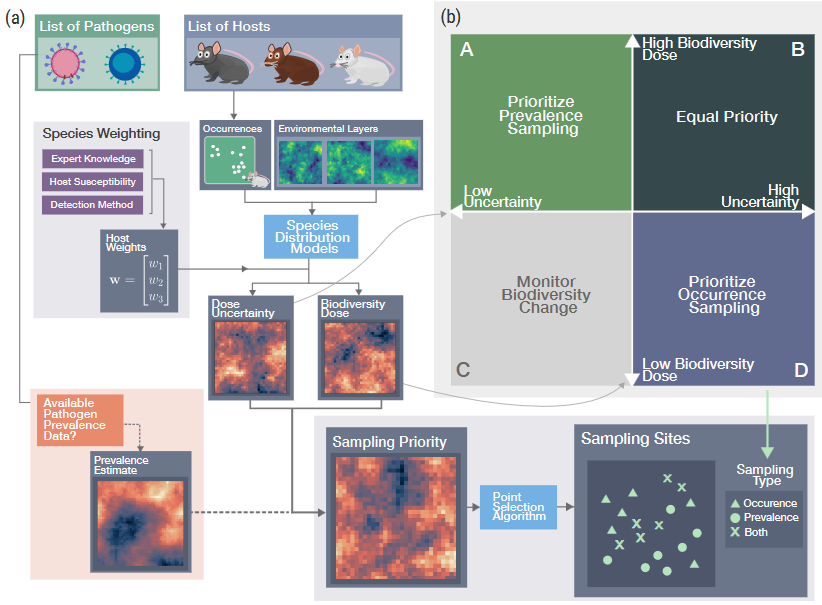
Wildlife disease surveillance is expensive, and for most of the globe there is no actionable information on pathogen prevalence in host populations. Where data exist they have largely been collected opportunistically, without reference to the known distributions of hosts of zoonotic pathogens.
This protocol adapts the Biodiversity Observation Network concept from biodiversity monitoring to biosurveillance. Local host composition is summarised as a biodiversity dose, a weighted average of habitat suitability scores from species distribution models capturing both likely presence and relative importance in transmission. Uncertainty extracted from the same models identifies where host occurrence sampling would most improve baseline predictions. An adaptive priority score balances discovery sampling in high-uncertainty regions against prevalence sampling where dose is high, and balanced-acceptance sampling then generates spatially balanced sites rather than clustering within autocorrelated priority areas.
Two case studies on Hantaviridae and Arenaviridae in rodents demonstrate the range, India as a data-poor context calling for discovery sampling and South Korea as a data-rich one supporting spatially explicit prevalence estimates. The framework keeps the distinction between hazard and realised risk explicit throughout.
62
Contact Networks of Small Mammals Highlight Potential Transmission Foci of Mammarenavirus lassaense
Simons D, Goyal R, Bangura U, Gibb R, Rushton B, Sondufu D, et al.
Preprint, 2025 · The American Journal of Tropical Medicine and Hygiene, 2026 · PDF (preprint)
Summary
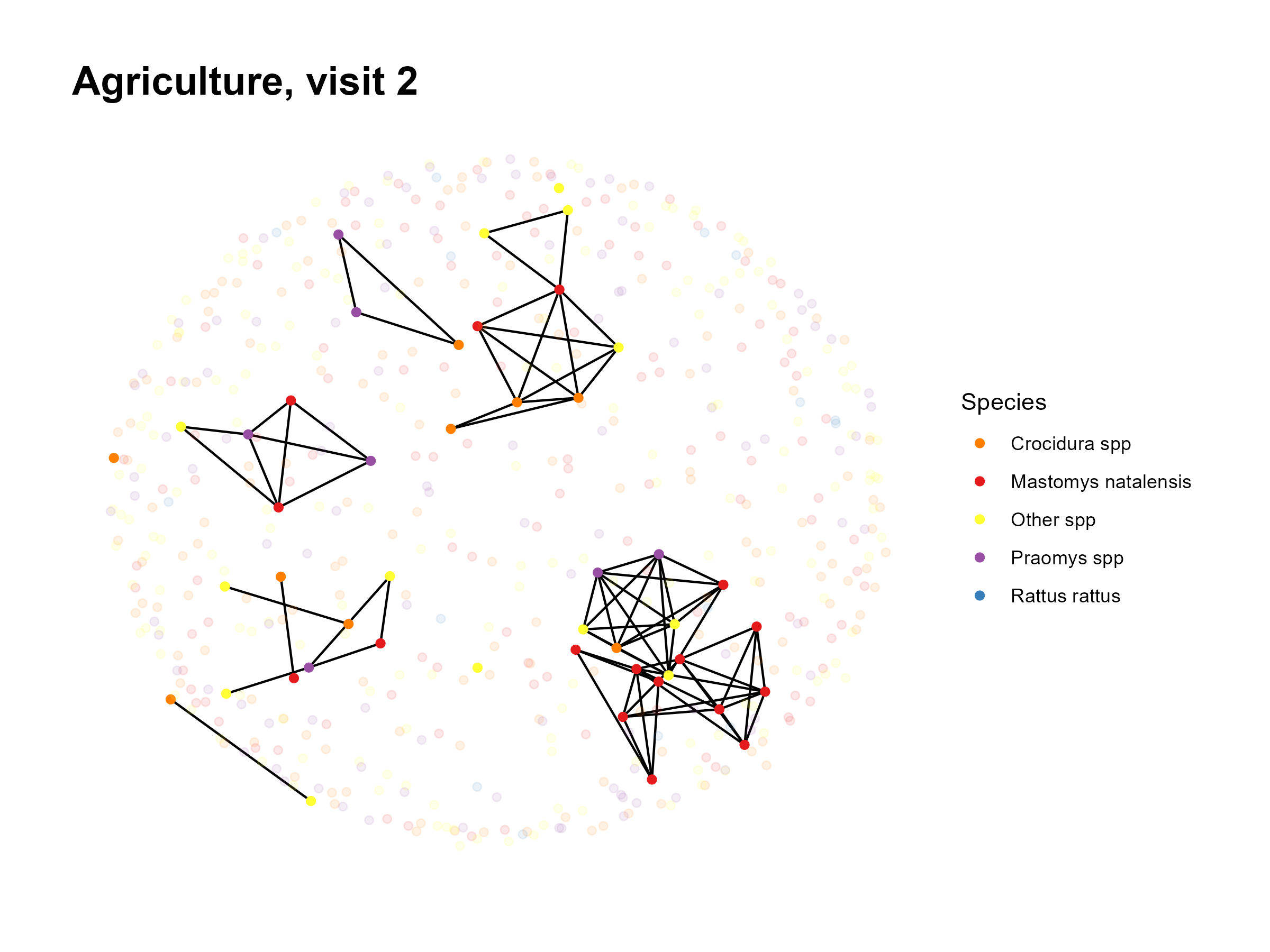
Small-mammal communities in eastern Sierra Leone are structured along land-use gradients, and that structure is expected to shape Lassa mammarenavirus (LASV) transmission among hosts. Whether anthropogenic habitats facilitate transmission within those communities had not been characterised.
Contact networks were reconstructed from 43,226 trap nights yielding 684 rodents and shrews, using co-occurrence in space and time as the edge criterion, and compared across forest, agriculture and village. Communities were larger in villages and agriculture than in forest, but per-individual contact rates were similar across habitats. Network topology differed, with village networks more fragmented than agricultural ones, and intra-specific contact among Mastomys natalensis concentrated in particular settings.
LASV seroprevalence was 5.7% across the community, with antibodies detected in nine rodent and shrew species. Transmission foci are therefore a property of network structure rather than of contact frequency alone, and surveillance restricted to the primary reservoir will miss species contributing to local circulation.
61
Local Knowledge of Land Use Effects on Human-Rodent Interfaces in Lassa-Endemic Nigeria
Harden C, Eziechina S, Ifebueme NM, Simons D, Moses L, Redding DW, Friant S
EcoHealth, 2026
Summary
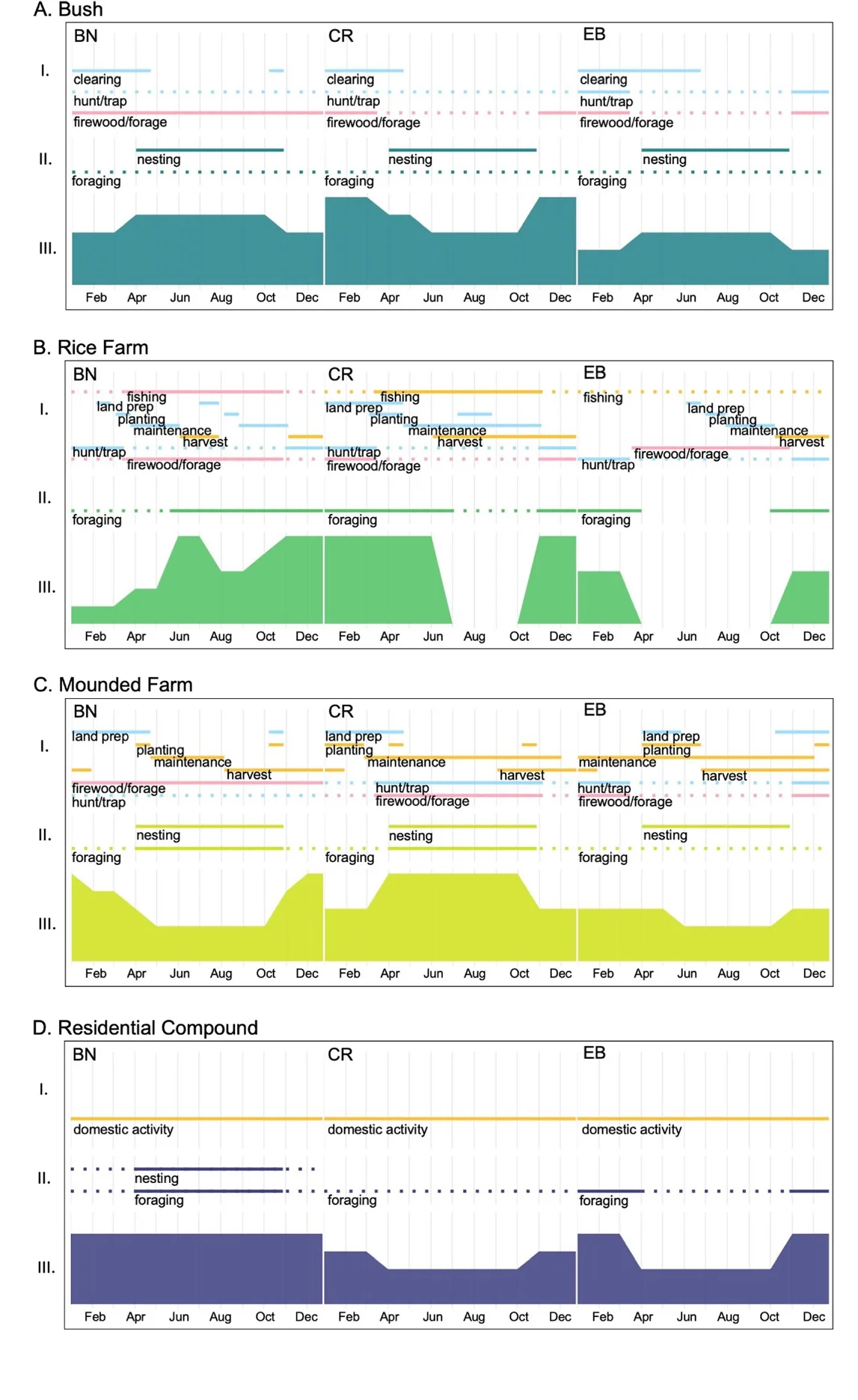
Human contact with Mastomys spp., the reservoir of Mammarenavirus lassaense, is thought to be shaped by settlement pattern and agricultural land use, but how communities perceive and experience that contact had not been characterised across settings in Lassa-endemic Nigeria.
Participatory rural appraisal at three villages with different settlement patterns and landscape structure summarised land cover and agricultural practice, characterised human land use within each land cover type, and identified the types and frequency of contact with suspected Mastomys spp.
All villages reported increased Mastomys activity after seasonal land clearing and the rice harvest. Movement between fields and residential compounds was reported more often where homes were interspersed with farmland. Contact was common in both households and fields, and differed with gendered agricultural duties, suggesting underemphasised pathways for exposure in agricultural settings.
60
Local heterogeneity in Lassa fever serology in rural Nigeria: Implications for vaccine trial site selection
Simons D, Harden C, Imirzian N, Thompson KET, Ifebueme NM, Eziechina S, et al.
Preprint, 2025 · PLOS Neglected Tropical Diseases, 2026
Summary
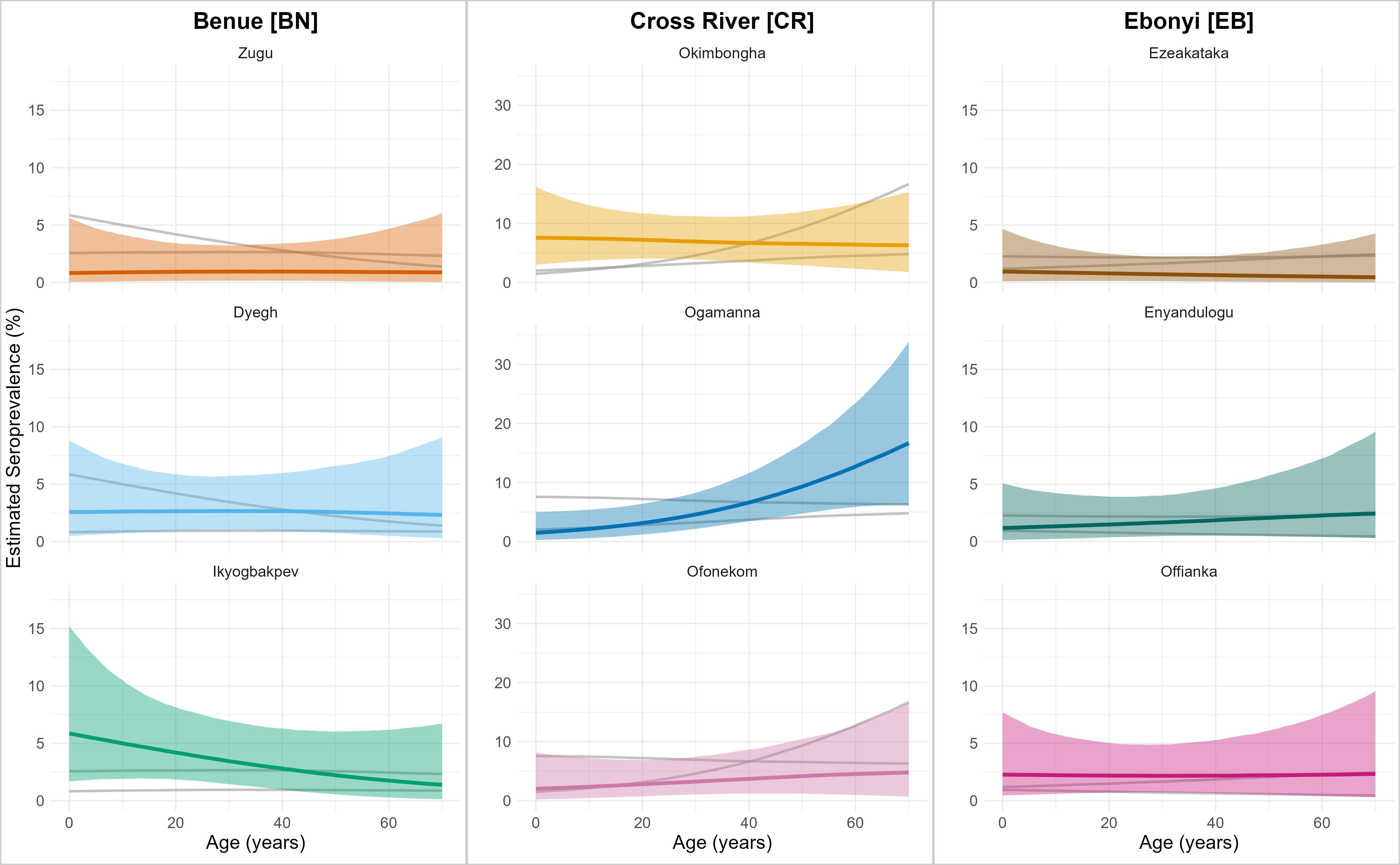
Lassa virus vaccine candidates entering efficacy trials need sites with ongoing transmission, but spillover is unpredictable and passive case detection at sentinel hospitals misses mild infection and asymptomatic seroconversion. This cross-sectional serosurvey estimates exposure directly across nine villages in Benue, Ebonyi and Cross River states, Nigeria.
Among 1,874 participants tested for LASV IgG by ELISA, overall seroprevalence was 3.2%, with marked fine-scale heterogeneity: village estimates ranged from under 1% to over 6% between communities in close proximity. Of 21 candidate risk factors, including rodent consumption, agricultural practice and household environment, none showed strong or consistent association, plausibly reflecting the low event rate and near-ubiquitous exposure, with 94% of households reporting rodent entry.
Age-seroprevalence curves diverged by village, some rising monotonically with age as expected under stable endemic exposure, others peaking in younger groups consistent with recent focal transmission. Exposure at this scale is not predictable from regional incidence maps or from behaviour, so trial site selection needs active human serosurveillance alongside longitudinal reservoir monitoring.
59
Map Liberator: An open-source tool for recovering spatial epidemiological data from static situation reports
Simons D
Preprint, 2026
Summary
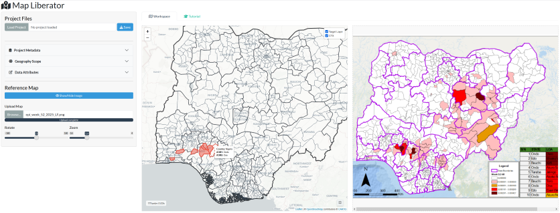
Sub-national surveillance data are often released only as choropleth or dot-density maps in PDF situation reports. Recovering the underlying values for spatial analysis has meant proprietary GIS, a steep learning curve in open-source alternatives, or manual transcription with its typographic and gazetteer errors.
Map Liberator is an open-source R and Shiny application for digitising such maps. A static image is overlaid on interactive GADM administrative boundaries to admin level 3, and binary, numeric or categorical attributes are assigned by selection and committed in batches. Output is joined to official unit names and identifiers rather than rasterised, so it is immediately usable in models.
As validation, eight years of Lassa fever notifications from Nigeria Centre for Disease Control weekly reports were extracted for 774 local government areas at under five minutes per map, producing a longitudinal dataset for evaluating high-resolution spatial risk models. The tool is disease and country agnostic.
58
Molecular and ecological determinants of effective reassortment in orthohantaviruses
Rivero R, Simons D, Damodaran L, Karegi I, Gurev S, Becker DJ, et al.
Preprint, 2026 · PDF (preprint)
Summary
Segmented RNA viruses can exchange whole genome segments when two lineages infect the same host, but most reassortants never establish. Why some persist and others do not is an open problem in viral evolution, and orthohantaviruses offer a tractable case because host associations are well described.
Reassortant histories were reconstructed across 553 genomes from seven orthohantavirus species sampled between 1983 and 2024, using phylogenetic reconciliation and molecular dating, then modelled with Bayesian hierarchical models. Retained reassortment varied by species, absent in Andes virus and frequent in Dobrava-Belgrade, Sin Nombre, Seoul, Puumala and Tula viruses, so it is not a genus-wide constant. Local host overlap was the strongest ecological correlate, while cross-segment linkage and terminal RNA structure acted as a molecular filter.
Establishment was most probable where ecological opportunity coincided with molecular permissiveness, their interaction being the strongest signal in the establishment models (posterior probability 0.97). Reassortment therefore appears to be sequentially filtered: lineages must first meet in a host, then exchange compatible segments, then land in a lineage background that permits establishment.
57
Optimising supervised machine learning algorithms predicting cigarette cravings and lapses for a smoking cessation just-in-time adaptive intervention (JITAI)
Leppin C, Brown J, Garnett C, Kale D, Okpako T, Simons D, Perski O
Preprint, 2025 · PLOS One, 2026
56
Scaling Lassa Virus Dynamics within Anthropogenic Ecosystems (SCAPES) Study Protocol: a mixed-methods observational cohort study of humans, rodents, and landscapes in Nigeria.
Friant S, Simons D, Harden C, Imirzian N, Bjornstad O, Gibb R, et al.
Preprint, 2025 · Wellcome Open Research, 2026 · PDF
Summary
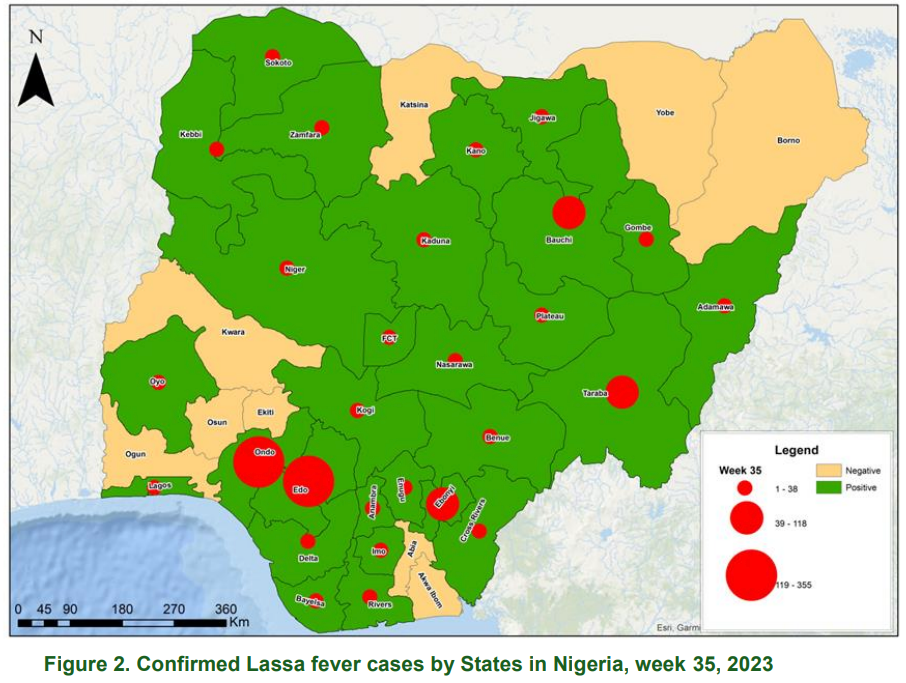
Lassa fever epidemics are dominated by repeated spillover from rodent reservoirs to people in rural settings, which makes Lassa mammarenavirus an unusually tractable system for studying zoonotic transmission. Inference is limited because ecological and behavioural data are rarely collected at the same scale in the same places.
This protocol sets out the ecological and anthropological components of SCAPES, a five-year NSF EEID study in Ebonyi, Benue and Cross River states, Nigeria. It specifies longitudinal rodent trapping with pathogen assay, household and individual data collection on the activities generating human-reservoir contact, and cross-sectional human serology, under a sampling frame that aligns the components spatially.
The design allows fine-scale field measurements of exposure to be propagated into broad-scale risk models, addressing how risk estimated at one scale relates to the processes operating at another. Publishing the protocol fixes the analysis plan before the data accrue.
55
The socio-economic shield limits Lassa virus spillover in urban West Africa
Simons D
Preprint, 2025 · Epidemiology and Infection, 2026 · PDF
Summary
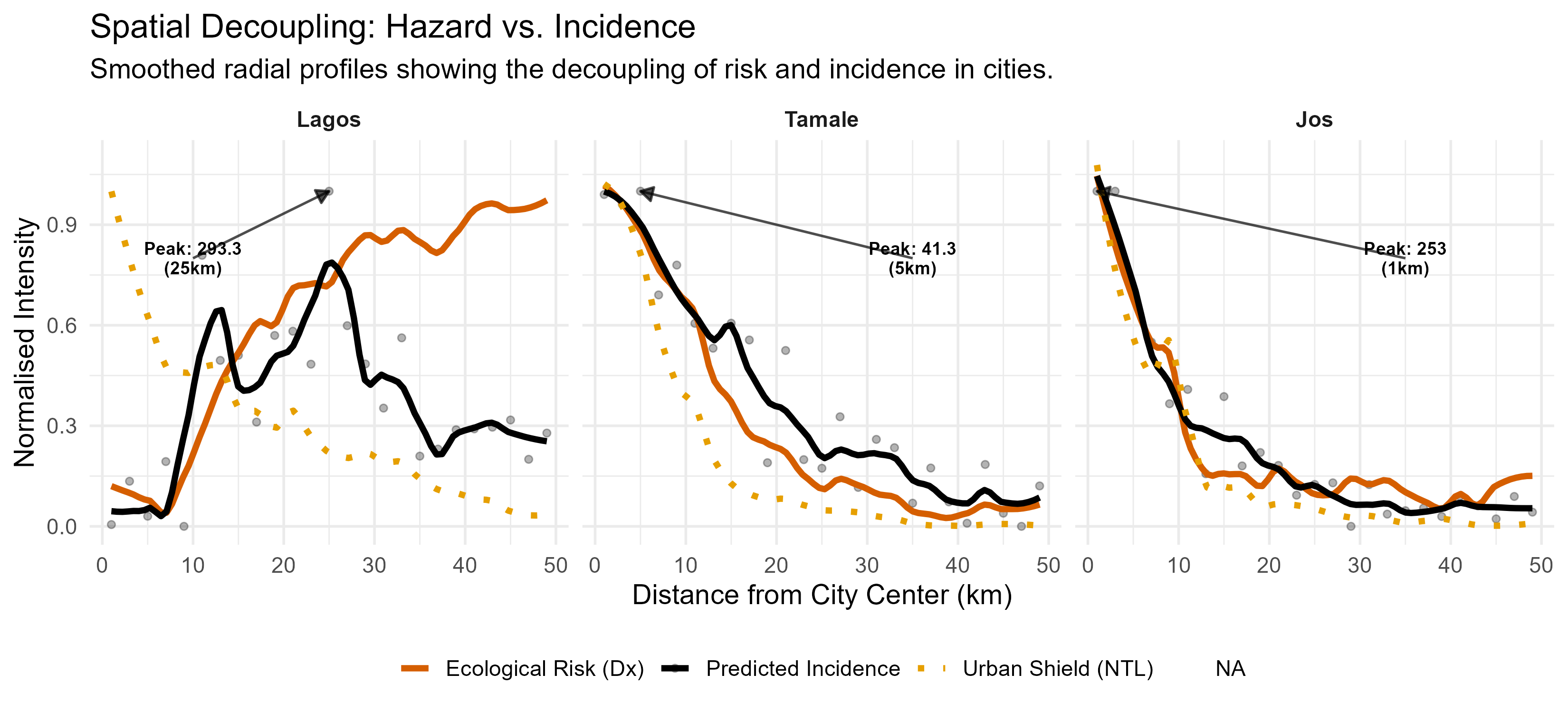
Spatial models of Lassa fever risk have relied on abiotic climatic envelopes for the reservoir host, the natal multimammate mouse Mastomys natalensis, and so predict a rural disease. This paper assesses what changes when biotic interactions and anthropogenic land use are added to the reservoir’s realised niche.
An integrated multi-species occupancy model quantifies co-occurrence between M. natalensis and the invasive commensals Rattus rattus and Mus musculus. With those interactions in the model, M. natalensis persists in peri-urban and human-modified landscapes rather than being competitively excluded, so ecological hazard extends to the urban fringe.
Realised spillover is then modelled with a socio-economic shield, proxied by night-time lights, that dampens transmission non-linearly with urban infrastructure. Hazard and incidence decouple across the city profile. Adjusting for seroreversion and shielding gives a regional burden near 2.6 million infections a year. Validation against clinical data identifies high-suitability districts in Nigeria, Benin and Togo that report no cases, surveillance gaps produced by structural inequality rather than by absence of hazard.
54
Viral reservoir status in small mammals emerges as a predictable life-history trait after correcting for surveillance bias
Simons D, Rivero R, Rickard G, Martinez-Checa A, Gordon H, Redding DW, Seifert SN
Preprint, 2026
Summary
Small mammals are the principal hosts of arenaviruses and hantaviruses, but global surveillance is non-random, so the determinants of host status remain contested. Associations with synanthropy or life history could reflect where and which species have been sampled rather than host biology.
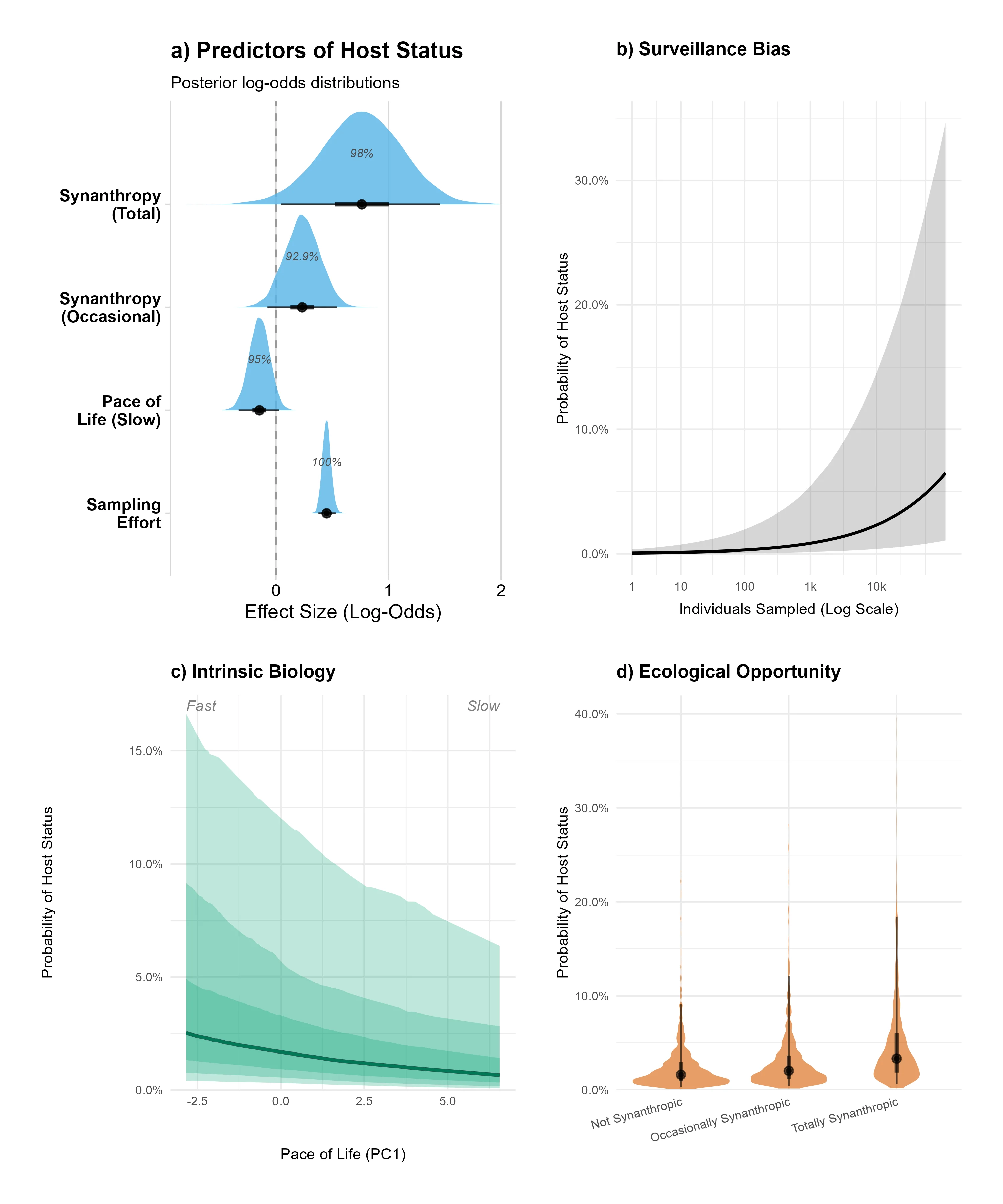
Using the ArHa database, 729 studies and 695,000 diagnostic assays across 637 species were harmonised. Surveillance intensity followed night-time light intensity and accessibility rather than local host richness, and 46% of rodent genera have never been sampled. Bayesian phylogenetic mixed models of 43,677 host–virus pairs, adjusted for sampling effort, estimate that faster-lived species tended to be detected as hosts more often, though the credible interval included zero (pd 93.2%). Synanthropy was independently associated with host status, with obligate commensals at about twice the odds. Predictions discriminated hosts in withheld continents (AUC 0.81 to 0.88).
Projected globally, community host probability varied largely independently of species richness (R² = 0.028). Host and virus phylogenies were congruent, with host switching alongside co-divergence.
53
‘SiteTool’: a ‘Shiny’ application for field site selection and evaluation
Imirzian N, Trebski A, Johnson E, Hewitson M, Simons D, Harden C, Friant S, Redding D
Preprint, 2025 · Ecography, 2026 · PDF (preprint)
Summary
Field studies underpin ecological and epidemiological inference, yet site selection is often haphazard or driven by convenience. Poorly specified sampling designs bias input data and propagate into parameter estimates, which matters particularly when estimating zoonotic risk or species abundance. Remote-sensing layers could inform selection without pilot visits, but working with raw spatial data is a barrier for many field teams.
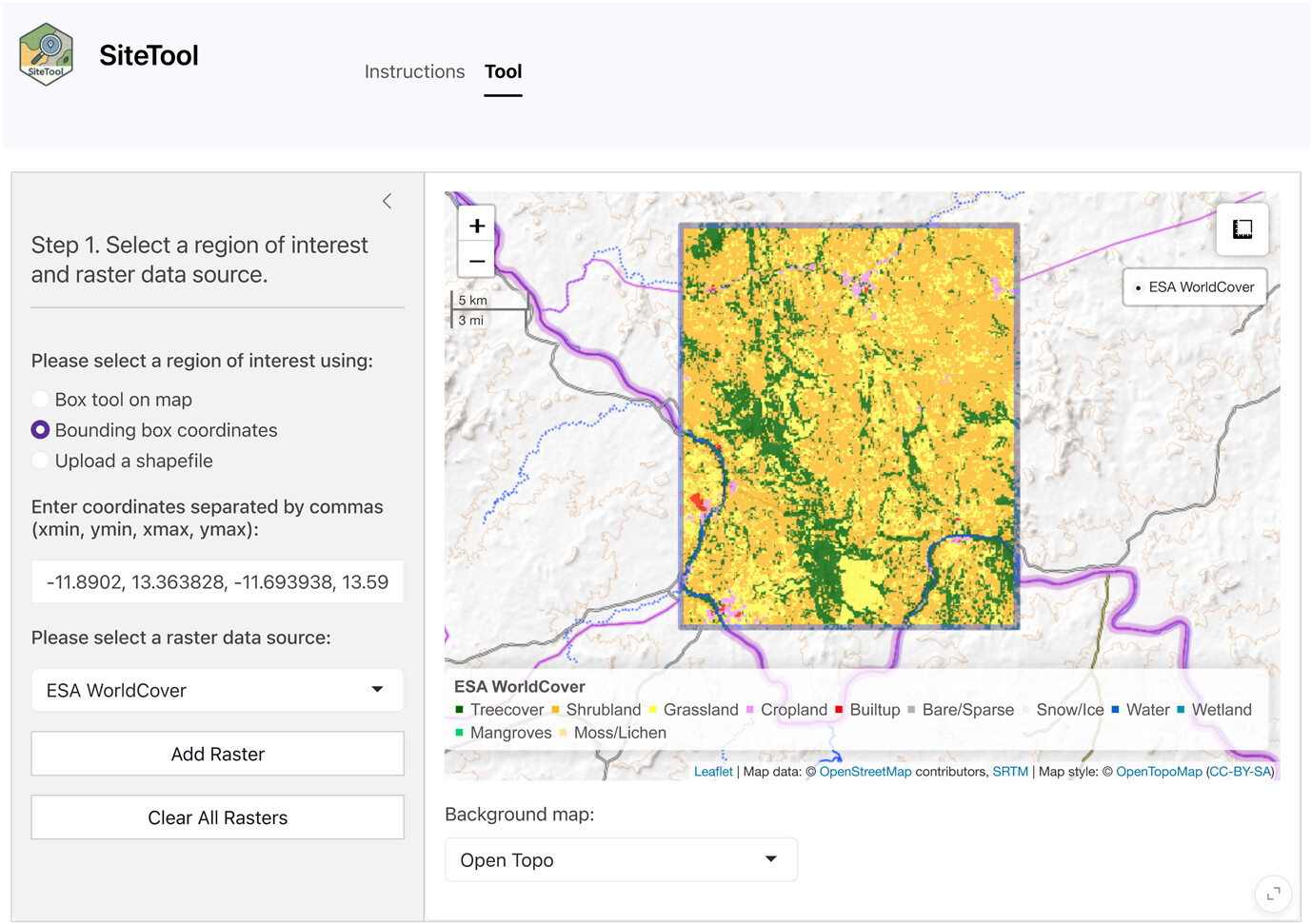
SiteTool is an open-source R Shiny application that puts that evaluation in a graphical interface. A region of interest is defined by map, bounding box or GeoJSON; candidate sites are generated as random points or extracted as populated places from OpenStreetMap; environmental gradients are queried within a specified radius from default layers such as ESA WorldCover, SRTM elevation and the Human Footprint Index, or from uploaded rasters. Built-in Mann-Whitney U tests compare selected sites against background points, so a design can be checked for environmental bias before fieldwork begins.
The tool structured the sampling frame for SCAPES in Nigeria, where 273 candidate communities within a three-hour drive were evaluated on cropland and grassland cover to span an agricultural gradient under logistical constraint.
2025
52
A minimum data standard for wildlife disease research and surveillance
Schwantes CJ, Sánchez CA, Stevens T, Zimmerman R, Albery G, Becker DJ, …, Simons D, et al.
Preprint, 2024 · Scientific Data, 2025
Summary

Rapid data sharing matters for response to wildlife disease, but shared data are often unusable in aggregate because fields are defined inconsistently between studies. Negative results suffer worst, frequently omitted altogether, which makes it impossible to distinguish absence of pathogen from absence of sampling.
This paper, from the Verena consortium, specifies a minimum data standard for wildlife disease research and surveillance: 31 essential fields covering host taxonomy and sampling detail, pathogen assay method and result including negative findings, and precise spatio-temporal information for each record. The standard is deliberately minimal, aimed at what is needed for a record to be interpretable and combinable rather than at exhaustive metadata.
It underpins PHAROS, the consortium’s open-access database, and makes datasets FAIR in the operational sense of being integrable for large-scale analysis. Recording non-detection to the same standard as detection is what allows surveillance effort to be modelled alongside pathogen occurrence.
51
Land use gradients drive spatial variation in Lassa fever host communities in the Eastern Province of Sierra Leone
Simons D, Gibb R, Bangura U, Sondufu D, Lamin J, Koninga J, et al.
Preprint, 2025 · Journal of Animal Ecology, 2025 · PDF (preprint)
Summary
The natal multimammate mouse Mastomys natalensis is the primary reservoir of Lassa mammarenavirus. Its occurrence and abundance are regulated by the human environment and by biotic interactions with other small mammals, but those drivers are poorly described in the regions where Lassa fever outbreaks occur.
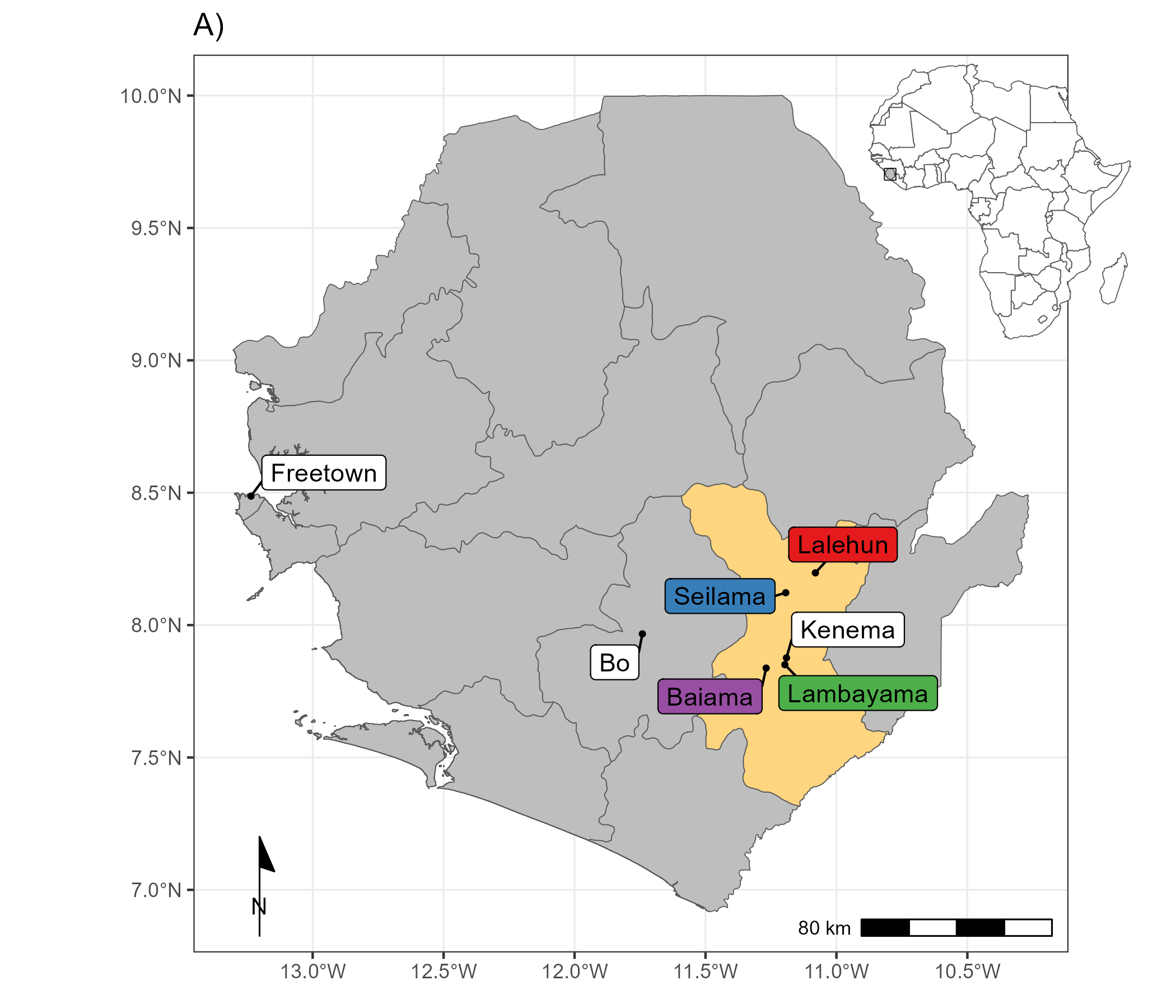
A Bayesian multi-species occupancy model incorporating imperfect detection was fitted to a four-year trapping study in eastern Sierra Leone, spanning forest, agriculture and settlement. M. natalensis occupancy increased along the gradient from forest to agriculture to village, but was lower in peri-urban than in rural settings. Presence of Mus musculus was associated with reduced M. natalensis occupancy in peri-urban sites. No equivalent effect of Rattus rattus was observed in rural sites.
Land use and community dynamics together generate spatial heterogeneity in the reservoir population, a plausible contributor to lower Lassa fever incidence in urban areas. Characterising the whole small-mammal community, above all under rapid land-use change, is needed to assess spillover risk beyond the primary host.
50
Protocol to produce a systematic Arenavirus and Hantavirus host-pathogen database: Project ArHa.
Simons D, Rivero R, Guiote AMC, Gordon HLM, Milne GC, Rickard G, Redding DW, Seifert SN
Preprint, 2025 · Wellcome Open Research, 2025 · PDF
Summary
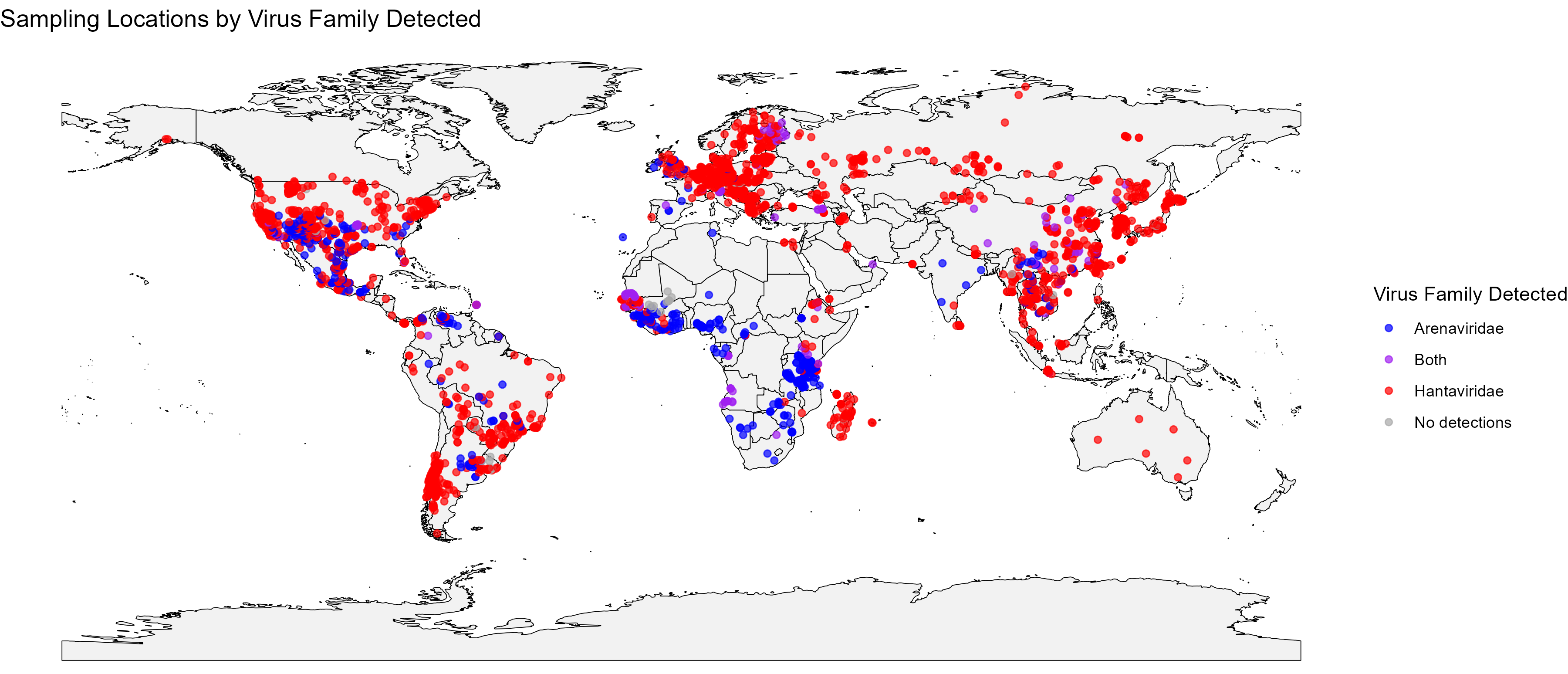
Arenaviruses and hantaviruses are hosted primarily by rodents and shrews and cause substantial human morbidity, yet their global distribution is known only through a literature scattered across decades, languages and disciplines. Without a synthesis, sampling effort cannot be separated from pathogen occurrence.
This protocol specifies how Project ArHa assembles that synthesis: the search strategy across bibliographic databases, screening and inclusion criteria, extraction fields, and a relational structure of five tables covering citations, study design, host occurrence, pathogen assay and genetic sequence. Critically, non-detections are retained, so absence of virus in a sampled host is recorded rather than lost.
The resulting database is spatially and temporally explicit, which makes it usable for quantifying surveillance bias as well as for modelling host-pathogen association. An accompanying Shiny application opens the data to users who do not code. The protocol was published before extraction completed, fixing the method in advance.
49
Reducing the threats of rodent-borne zoonoses requires an understanding and leveraging of three key pillars: disease ecology, synanthropy, and rodentation
Friant S, Mistrick J, Luis AD, Harden C, Simons D, Fichet-Calvet E, et al.
The Lancet Planetary Health, 2025
Summary
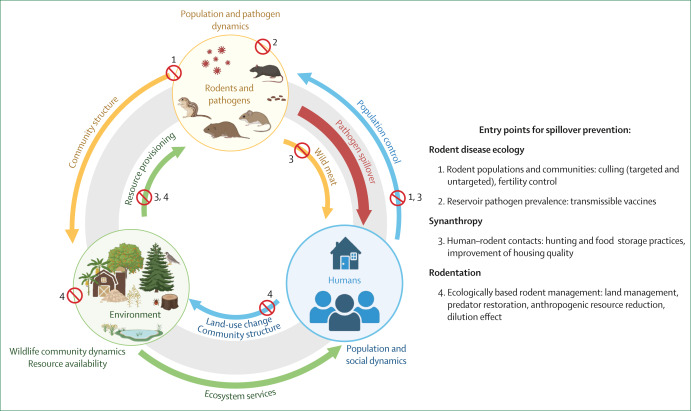
Control of rodent-borne zoonoses has concentrated on treating human disease and on killing rodents, neither of which addresses the processes that bring hosts and people together. Endemic and emerging rodent infections continue to cause substantial morbidity in low-income and middle-income countries.
This Personal View in The Lancet Planetary Health, from the annual Rodent-Borne Zoonoses workshop, organises prevention around three pillars. Disease ecology determines which species carry which pathogens and how infection is maintained. Synanthropy describes the degree to which species live alongside people, and so sets the rate of contact. Rodentation, the growth and spread of commensal rodent populations under human land use, links the first two to anthropogenic change.
A conceptual model maps the interactions and feedbacks between rodent ecology, human behaviour and ecological context, identifying where intervention has immediate and downstream effects. Settlement and land-use change alter predator and resource availability, which modulates rodent populations and thereby spillover, so control designed at the level of the system should outperform reactive rodenticide campaigns.
2024
48
Developing transmissible vaccines for animal infections
Streicker DG, Griffiths ME, Antia R, Bergner L, Bowman P, de Moraes MVdS, …, Simons D, et al.
Science, 2024 · PDF
Summary
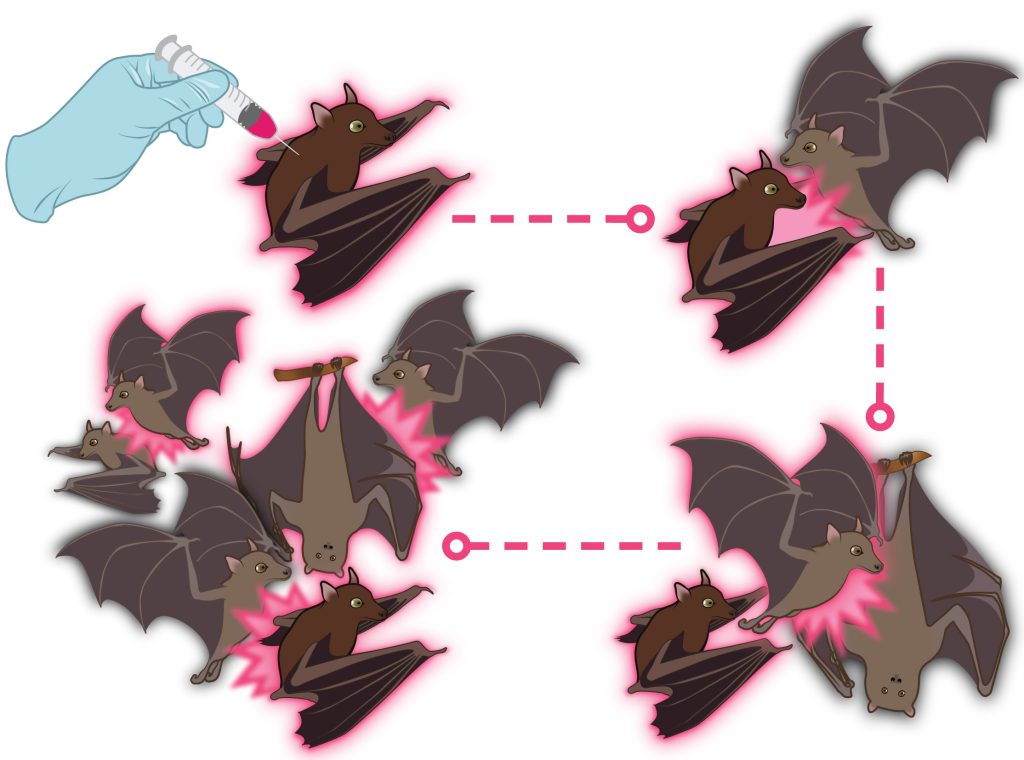
Vaccinating wildlife reservoirs could prevent spillover at source, but conventional campaigns cannot reach enough individuals in free-ranging populations to reduce transmission durably. Self-disseminating vaccines, engineered to spread between hosts, would relax that constraint, and equally would be difficult to recall once released.
This policy forum in Science, an output of an interdisciplinary workshop convened by Scott Nuismer and Daniel Streicker, sets out design commitments intended to keep the technology’s benefits ahead of its risks. Among them, transmissible constructs should be built from host-restricted vectors so they remain confined to the target species, the design should be intrinsically self-limiting, and field release should follow staged evaluation with the consent of affected communities.
The argument is that safety is a property of design choices made early, not of oversight applied late, and that the research community should commit to those choices now while candidate vaccines for rabies and Lassa fever are still in development.
47
Supervised machine learning to predict smoking lapses from Ecological Momentary Assessments and sensor data: Implications for just-in-time adaptive intervention development
Perski O, Kale D, Leppin C, Okpako T, Simons D, Goldstein SP, Hekler E, Brown J
Preprint, 2024 · PLOS Digital Health, 2024
2023
46
A dataset of small-mammal detections in West Africa and their associated micro-organisms
Simons D, Attfield LA, Jones KE, Watson-Jones D, Kock R
Preprint, 2023 · Gigabyte, 2023 · PDF
45
Classification of Lapses in Smokers Attempting to Stop: A Supervised Machine Learning Approach Using Data From a Popular Smoking Cessation Smartphone App
Perski O, Li K, Pontikos N, Simons D, Goldstein SP, Naughton F, Brown J
Preprint, 2022 · Nicotine and Tobacco Research, 2023
44
Comparative transmission of SARS-CoV-2 Omicron (B.1.1.529) and Delta (B.1.617.2) variants and the impact of vaccination: national cohort study, England
Allen H, Tessier E, Turner C, Anderson C, Blomquist P, Simons D, et al.
Preprint, 2022 · Epidemiology and Infection, 2023 · PDF
43
Current sampling and sequencing biases of Lassa mammarenavirus limit inference from phylogeography and molecular epidemiology in Lassa fever endemic regions
Arruda LB, Free HB, Simons D, Ansumana R, Elton L, Haider N, et al.
Preprint, 2023 · PLOS Global Public Health, 2023 · PDF
Summary
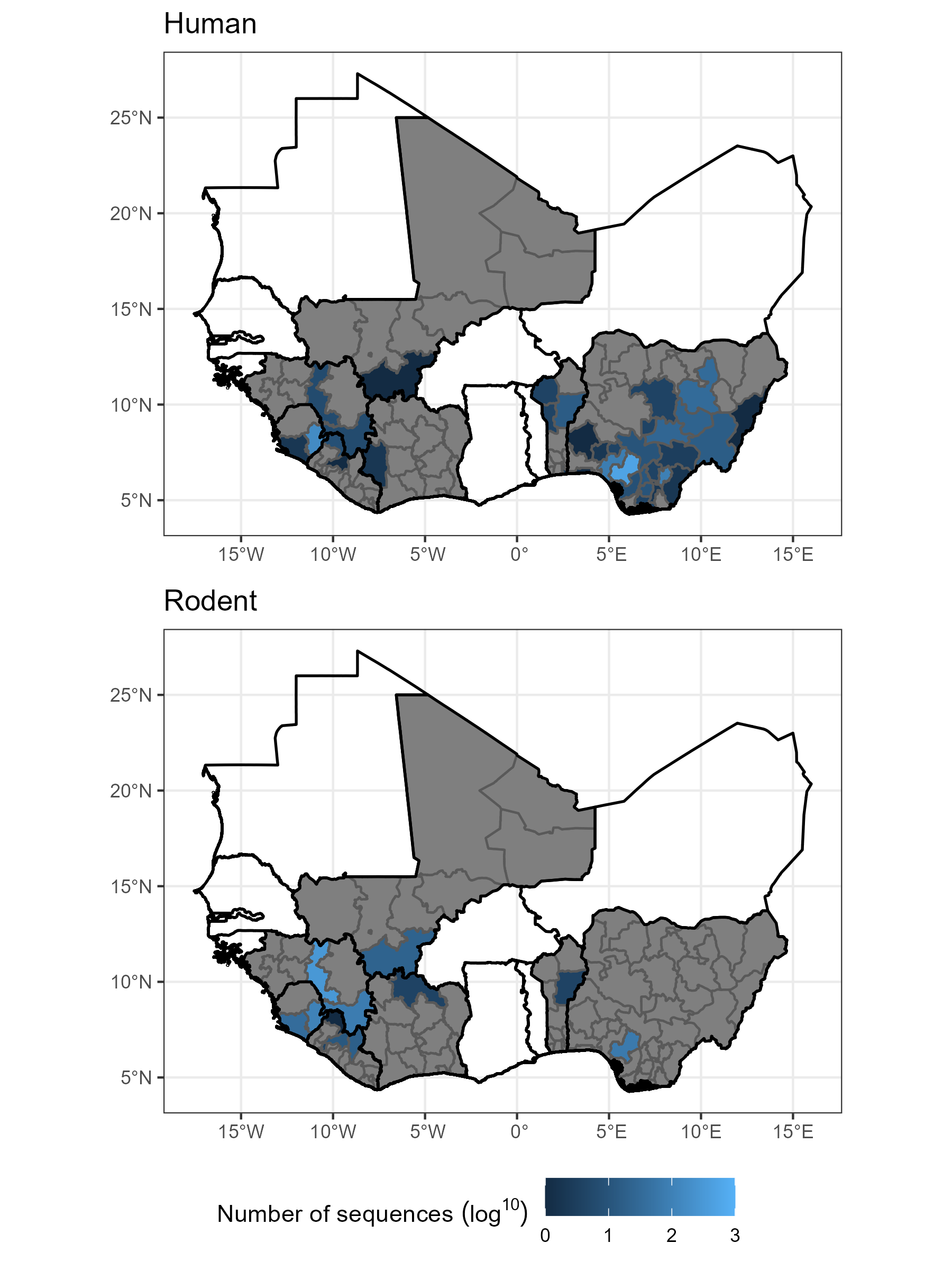
Phylogeographic and molecular epidemiological analyses have been used to project expansion of the Lassa fever endemic zone under global change. Such projections inherit whatever spatial and host bias exists in the underlying sequence data, which had not been quantified.
All Lassa mammarenavirus nucleotide sequences with associated metadata were retrieved from GenBank (n = 2,298) and their provenance characterised by host and location. Sampling is strongly heterogeneous, and the human and rodent sequence sets come from different places. Most human-derived sequences originate from two states in southern Nigeria; most rodent-derived sequences come from Guinea and eastern Sierra Leone, with few from Nigeria. Host species other than Mastomys natalensis are barely represented.
Because the two data streams scarcely overlap geographically, combining them for phylogeographic reconstruction risks attributing sampling structure to viral movement. Inference about endemic zone expansion should be reported against this sampling frame rather than independently of it.
42
Rodent trapping studies as an overlooked information source for understanding endemic and novel zoonotic spillover
Simons D, Attfield LA, Jones KE, Watson-Jones D, Kock R
Preprint, 2022 · PLOS Neglected Tropical Diseases, 2023 · PDF
Summary
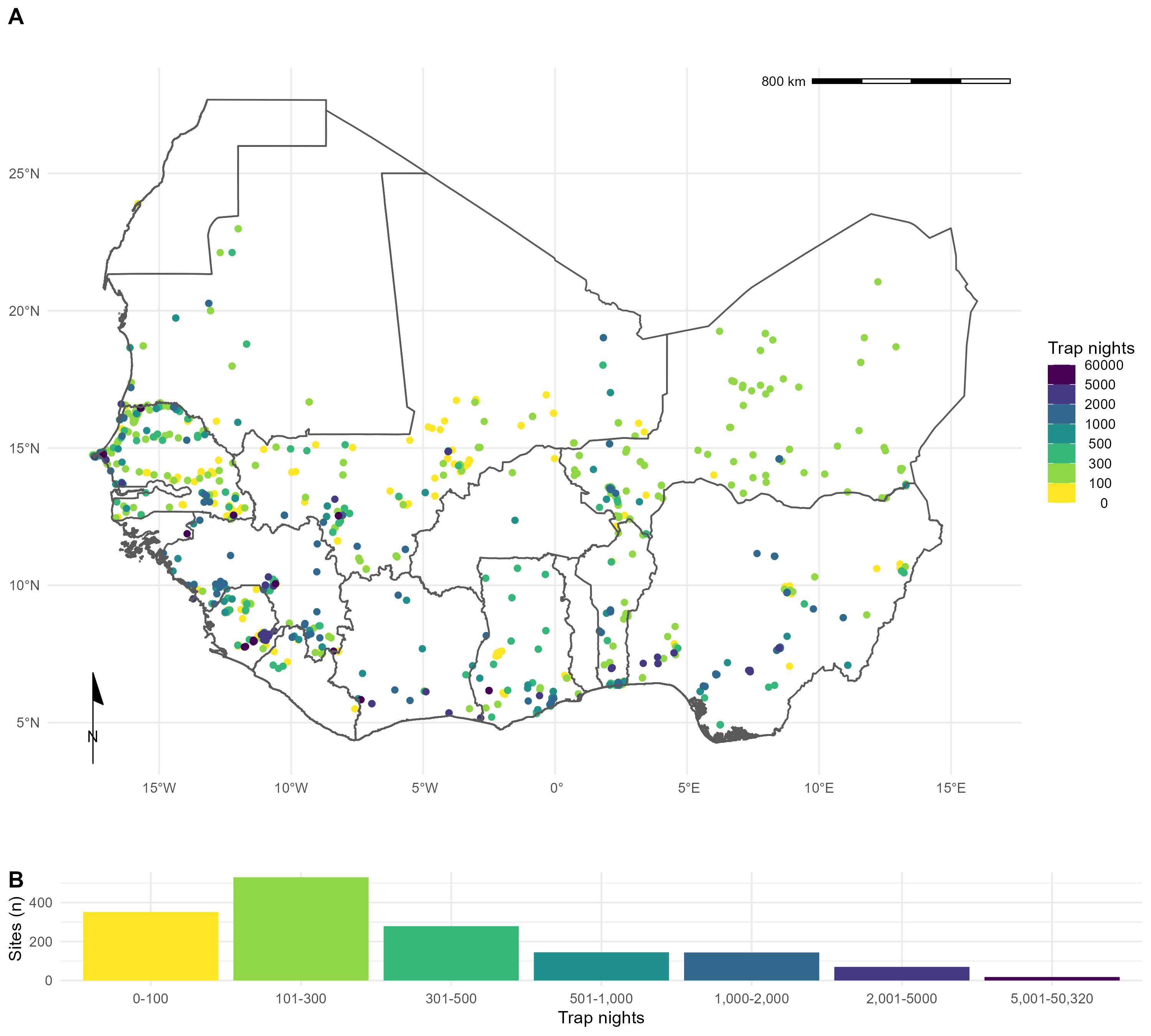
Spatial risk for rodent-borne zoonoses is usually delimited from host range maps and occurrence records drawn from the IUCN Red List and the Global Biodiversity Information Facility. Rodent trapping studies hold complementary information, including non-detection, but had not been synthesised into a reusable dataset.
A systematic search across seven bibliographic databases and the grey literature identified 127 trapping studies from 14 West African countries, comprising 1,611 sites and an estimated 942,629 trap nights, with 76,275 small mammals trapped and 132 species identified. Adjusted for area, trapping effort is spatially biased towards high human population density and urban land cover, leaving much of Burkina Faso, Côte d’Ivoire, Ghana and northern Nigeria under-sampled.
Trapping records supply non-detection that range maps cannot, and are more informative than IUCN ranges for invasive species such as Mus musculus. Consolidating trapping, occurrence and range data gives better coverage of a species’ detection and non-detection range than any source alone. The dataset is archived openly for reuse.
2022
41
Association of smoking status with hospitalisation for COVID-19 compared with other respiratory viruses a year previous: a case-control study at a single UK National Health Service trust
Simons D, Perski O, Shahab L, Brown J, Bailey R
Preprint, 2020 · F1000Research, 2022 · PDF
40
COVID-19 vaccine effectiveness against the omicron (BA.2) variant in England
Kirsebom FCM, Andrews N, Stowe J, Toffa S, Sachdeva R, Gallagher E, et al.
Preprint, · The Lancet Infectious Diseases, 2022 · PDF (preprint)
39
Community transmission of monkeypox in the United Kingdom, April to May 2022
Vivancos R, Anderson C, Blomquist P, Balasegaram S, Bell A, Bishop L, …, Simons D, et al.
Eurosurveillance, 2022 · PDF
Summary
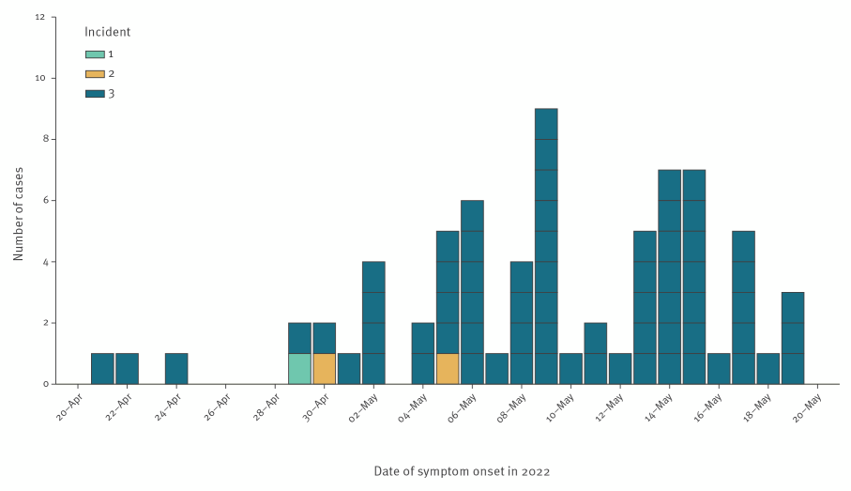
Every previously reported United Kingdom mpox case, seven in total, had been imported or was a household or healthcare contact of an imported case. In May 2022 cases began to appear in people with no documented travel to endemic countries, which implied sustained transmission within the country.
This rapid communication in Eurosurveillance describes the outbreak as it was being investigated, covering 72 laboratory-confirmed cases with known symptom onset between 20 April and 25 May 2022. It sets out the case definitions in use, the epidemiological links between clusters, the demographic and exposure characteristics of cases, and the contact tracing response, including the incubation period of up to 21 days that shaped the follow-up interval.
Publication during an active outbreak serves a different function from retrospective analysis. The value was in giving other countries an early case definition and transmission picture while their own investigations were beginning.
38
Covid-19 Vaccine Effectiveness against the Omicron (B.1.1.529) Variant
Andrews N, Stowe J, Kirsebom F, Toffa S, Rickeard T, Gallagher E, …, Simons D, et al.
Preprint, 2021 · New England Journal of Medicine, 2022 · PDF (preprint)
37
Enhancing epidemiological surveillance of the emergence of the SARS-CoV-2 Omicron variant using spike gene target failure data, England, 15 November to 31 December 2021
Blomquist PB, Bridgen J, Bray N, O’Connell AM, West D, Groves N, …, Simons D, et al.
Eurosurveillance, 2022 · PDF
36
Increased outbreaks of monkeypox highlight gaps in actual disease burden in Sub-Saharan Africa and in animal reservoirs
Haider N, Guitian J, Simons D, Asogun D, Ansumana R, Honeyborne I, et al.
International Journal of Infectious Diseases, 2022
Summary
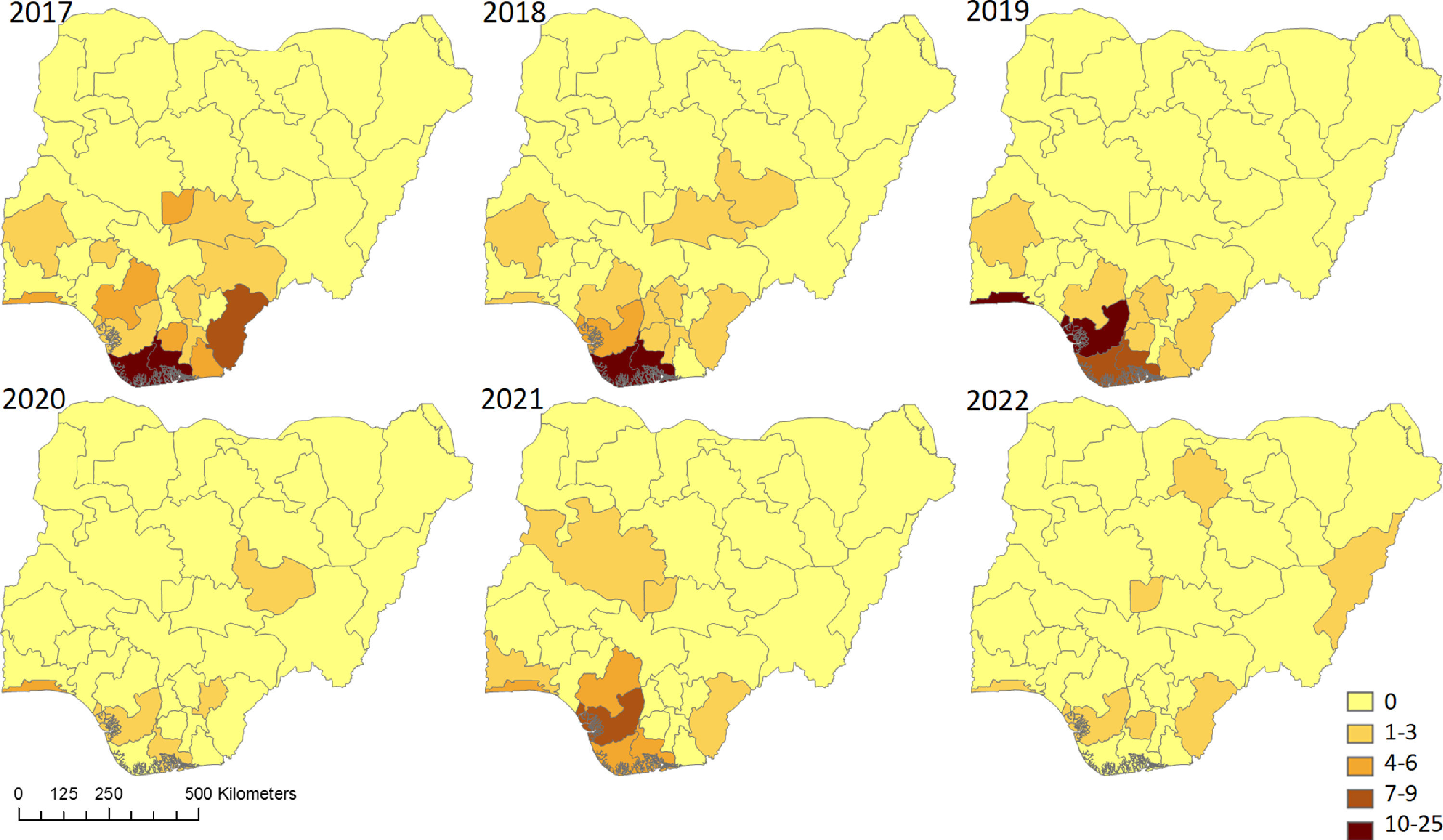
More than 400 mpox cases were detected across many countries within a month in May 2022. The outbreak in Europe, the Americas and Australia raised a question about what had changed in the endemic range beforehand, where burden is poorly characterised and the animal reservoir remains unidentified.
This paper sets out the research gaps and two hypotheses connecting them to the global outbreak. The first is that synanthropic rodent populations in West and Central Africa have increased in recent years, raising human-rodent contact and hence mpox virus transmission to people. The second is that, roughly 45 years after routine smallpox vaccination ended, the immunologically naive population has grown large and interconnected enough to sustain human-to-human transmission that would previously have died out.
Under both, the epidemic outside Africa is a consequence of increased local transmission within it. Testing them requires re-estimated basic and effective reproduction numbers in different populations, and surveillance capable of describing the reservoir rather than only the human cases.
35
Lassa fever cases suffer from severe underreporting based on reported fatalities
Simons D
Preprint, 2022 · International Health, 2022 · PDF (preprint)
Summary
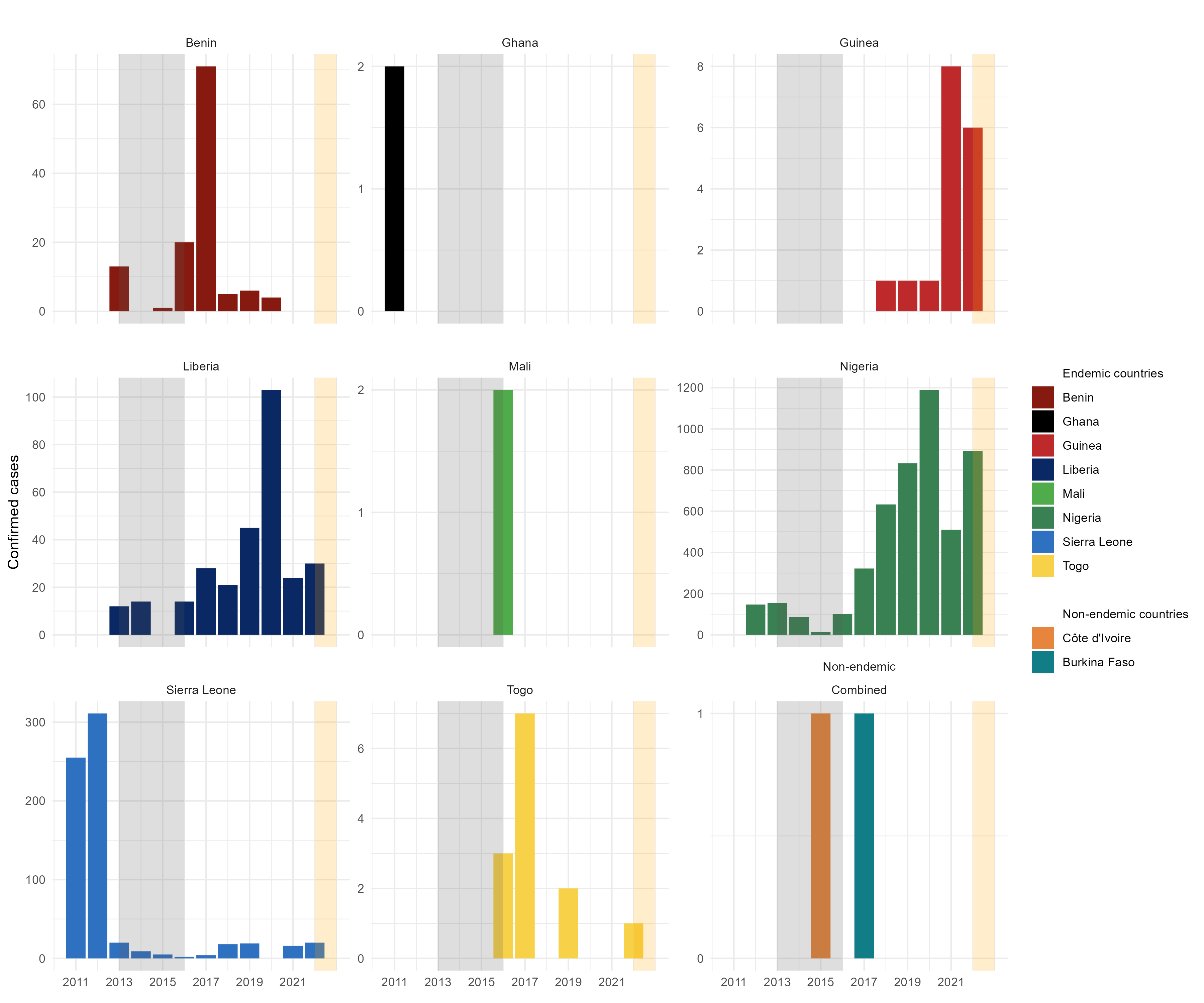
The burden of Lassa fever is unknown. Diagnostic capacity and healthcare access are limited across the endemic region, and widely cited estimates derive from work in the 1970s and 1980s that has not been revised for population growth or for changes in surveillance.
This analysis approaches the problem through case fatality, assuming deaths are ascertained more completely than cases. A dataset of 38 records covering 5,230 reported cases and 1,482 reported deaths from seven countries was assembled from ProMED, WHO bulletins, Nigeria Centre for Disease Control situation reports and the literature. Weighted mean case fatality was estimated under three subsets, giving 16.5% to 25.6%. The estimate restricted to Edo and Ondo states, where diagnostic access is greatest, is taken as closest to the true value among severe cases.
Applying that rate implies 8,995 expected severe cases between 2012 and 2022, against which reported numbers represent 58%. The assumptions are strong and stated explicitly, so the estimate is crude, but it bounds the systematic under-ascertainment that citation of reported case counts obscures.
34
Modelling the medium-term dynamics of SARS-CoV-2 transmission in England in the Omicron era
Barnard RC, Davies NG, Centre for Mathematical Modelling of Infectious Diseases COVID-19 working group, Munday JD, Lowe R, Knight GM, …, Simons D, et al.
Preprint, · Nature Communications, 2022 · PDF
33
The local burden of disease during the first wave of the COVID-19 epidemic in England: estimation using different data sources from changing surveillance practices
Nightingale ES, Abbott S, Russell TW, CMMID Covid-19 Working Group, Rees EM, Eggo RM, …, Simons D, et al.
Preprint, · BMC Public Health, 2022 · PDF
2021
32
Analysis of temporal trends in potential COVID-19 cases reported through NHS Pathways England
Leclerc QJ, Nightingale ES, Abbott S, CMMID COVID-19 Working Group, Rees EM, Eggo RM, …, Simons D, et al.
Preprint, · Scientific Reports, 2021 · PDF
31
Antimicrobial Resistance Patterns and Risk Factors Associated with Salmonella spp. Isolates from Poultry Farms in the East Coast of Peninsular Malaysia: A Cross-Sectional Study
Osman AY, Elmi SA, Simons D, Elton L, Haider N, Khan MA, et al.
Pathogens, 2021
30
Contact tracing is an imperfect tool for controlling COVID-19 transmission and relies on population adherence
Davis EL, Lucas TCD, Borlase A, Pollington TM, Abbott S, Ayabina D, …, Simons D, et al.
Nature Communications, 2021 · PDF
29
Estimating the effectiveness of routine asymptomatic PCR testing at different frequencies for the detection of SARS-CoV-2 infections
The SAFER Investigators and Field Study Team, Hellewell J, The Crick COVID-19 Consortium, CMMID COVID-19 working group, Russell TW, Beale R, et al.
Preprint, · BMC Medicine, 2021 · PDF
28
Evaluation of the Implementation of the 4C Mortality Score in United Kingdom hospitals during the second pandemic wave
Blunsum AE, Perkins JS, Arshad A, Bajpai S, Barclay-Elliott K, Brito-Mutunayagam S, …, Simons D, et al.
Preprint, 2021 · PDF (preprint)
27
Identification of Risk Factors Associated with Resistant Escherichia coli Isolates from Poultry Farms in the East Coast of Peninsular Malaysia: A Cross Sectional Study
Elmi SA, Simons D, Elton L, Haider N, Abdel Hamid MM, Shuaib YA, et al.
Antibiotics, 2021
26
Implications of the school-household network structure on SARS-CoV-2 transmission under school reopening strategies in England
Munday JD, Sherratt K, Meakin S, Endo A, Pearson CAB, Hellewell J, …, Simons D, et al.
Preprint, · Nature Communications, 2021 · PDF
25
Importance of patient bed pathways and length of stay differences in predicting COVID-19 hospital bed occupancy in England
Leclerc QJ, Fuller NM, Keogh RH, Diaz-Ordaz K, Sekula R, Semple MG, …, Simons D, et al.
BMC Health Services Research, 2021 · PDF
24
Projecting contact matrices in 177 geographical regions: An update and comparison with empirical data for the COVID-19 era
Prem K, Zandvoort Kv, Klepac P, Eggo RM, Davies NG, Centre for the Mathematical Modelling of Infectious Diseases COVID-19 Working Group, Cook AR, Jit M
Preprint, · PLOS Computational Biology, 2021 · PDF
23
Quarantine and testing strategies in contact tracing for SARS-CoV-2: a modelling study
Quilty BJ, Clifford S, Hellewell J, Russell TW, Kucharski AJ, Flasche S, …, Simons D, et al.
Preprint, · The Lancet Public Health, 2021 · PDF (preprint)
22
Smoking, Nicotine, and COVID-19: Triangulation of Methods and Preregistration Are Required for Robust Causal Inference
Perski O, Simons D, Shahab L, Brown J
Nicotine & Tobacco Research, 2021
21
Strategies to reduce the risk of SARS-CoV-2 importation from international travellers: modelling estimations for the United Kingdom, July 2020
Clifford S, Quilty BJ, Russell TW, Liu Y, Chan YWD, Pearson CAB, et al.
Preprint, · Eurosurveillance, 2021 · PDF (preprint)
20
The impact of local and national restrictions in response to COVID-19 on social contacts in England: a longitudinal natural experiment
CMMID COVID-19 working group, Jarvis CI, Gimma A, van Zandvoort K, Wong KLM, Edmunds WJ
BMC Medicine, 2021 · PDF
19
The impact of non-pharmaceutical interventions on SARS-CoV-2 transmission across 130 countries and territories
CMMID COVID-19 Working Group, Liu Y, Morgenstern C, Kelly J, Lowe R, Jit M
Preprint, · BMC Medicine, 2021 · PDF
18
The importance of saturating density dependence for population-level predictions of SARS-CoV-2 resurgence compared with density-independent or linearly density-dependent models, England, 23 March to 31 July 2020
Nightingale ES, Brady OJ, CMMID Covid-19 working group, Yakob L
Preprint, · Eurosurveillance, 2021 · PDF
17
The importance of supplementary immunisation activities to prevent measles outbreaks during the COVID-19 pandemic in Kenya
LSHTM CMMID COVID-19 Working Group, Mburu CN, Ojal J, Chebet R, Akech D, Karia B, et al.
Preprint, · BMC Medicine, 2021 · PDF
16
The niche of One Health approaches in Lassa fever surveillance and control
Arruda LB, Haider N, Olayemi A, Simons D, Ehichioya D, Yinka-Ogunleye A, et al.
Annals of Clinical Microbiology and Antimicrobials, 2021 · PDF
Summary
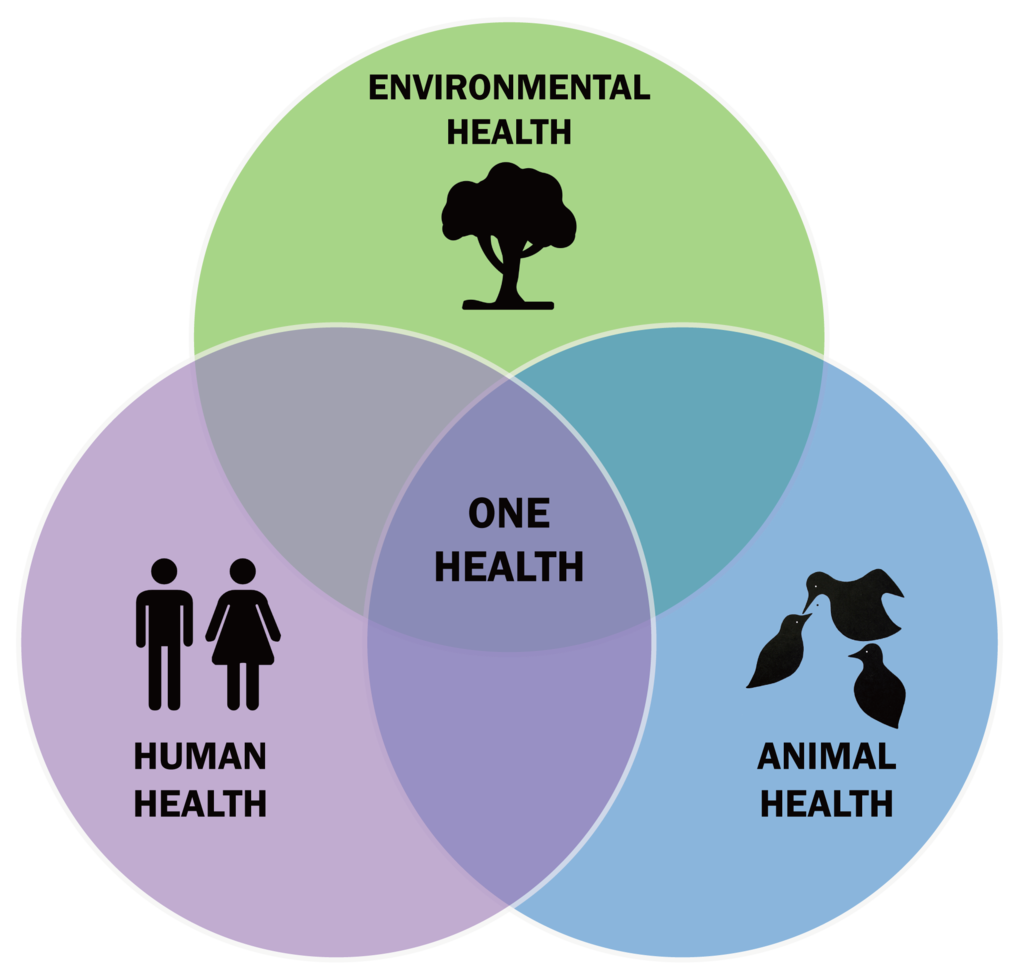
Human exposure to Lassa mammarenavirus depends on reservoir ecology, which is shaped by seasonality and by virus and host genetics, and on the human behaviours that bring people into contact with rodents. Burden estimates still rest on work from the 1980s, before the population growth and diagnostic changes of the intervening decades.
This review, written within the PANDORA-ID-NET consortium, examines where One Health approaches can act on the drivers of spillover rather than on its consequences. It works through the ecological determinants of reservoir distribution and infection, the behavioural and structural determinants of human exposure, and the surveillance and diagnostic gaps that keep burden uncertain, identifying candidate intervention points in each.
Its conclusion is that the true impact of Lassa fever in West African communities will only be established through sustained interdisciplinary work across human, animal and environmental health, rather than through any single discipline’s data.
15
The potential health and economic value of SARS-CoV-2 vaccination alongside physical distancing in the UK: a transmission model-based future scenario analysis and economic evaluation
Sandmann FG, Davies NG, Vassall A, Edmunds WJ, Jit M, Sun FY, …, Simons D, et al.
Preprint, · The Lancet Infectious Diseases, 2021 · PDF (preprint)
2020
14
Changing travel patterns in China during the early stages of the COVID-19 pandemic
Gibbs H, Liu Y, Pearson CAB, Jarvis CI, Grundy C, Quilty BJ, …, Simons D, et al.
Preprint, · Nature Communications, 2020 · PDF
13
Digital health at the age of the Anthropocene
Chevance G, Hekler EB, Efoui-Hess M, Godino J, Golaszewski N, Gualtieri L, …, Simons D, et al.
The Lancet Digital Health, 2020
12
Effectiveness of isolation, testing, contact tracing, and physical distancing on reducing transmission of SARS-CoV-2 in different settings: a mathematical modelling study
Kucharski AJ, Klepac P, Conlan AJK, Kissler SM, Tang ML, Fry H, …, Simons D, et al.
Preprint, · The Lancet Infectious Diseases, 2020 · PDF (preprint)
11
Face masks to prevent community transmission of viral respiratory infections: A rapid evidence review using Bayesian analysis
Perski O, Simons D, West R, Michie S
Preprint, 2020 · PDF (preprint)
10
Is Africa prepared for tackling the COVID-19 (SARS-CoV-2) epidemic. Lessons from past outbreaks, ongoing pan-African public health efforts, and implications for the future
Kapata N, Ihekweazu C, Ntoumi F, Raji T, Chanda-Kapata P, Mwaba P, …, Simons D, et al.
International Journal of Infectious Diseases, 2020
9
Mitigating the effect of the COVID-19 pandemic on sickle cell disease services in African countries
Dexter D, Simons D, Kiyaga C, Kapata N, Ntoumi F, Kock R, Zumla A
The Lancet Haematology, 2020
8
Passengers’ destinations from China: low risk of Novel Coronavirus (2019-nCoV) transmission into Africa and South America
Haider N, Yavlinsky A, Simons D, Osman AY, Ntoumi F, Zumla A, Kock R
Epidemiology and Infection, 2020 · PDF
7
Reconstructing the early global dynamics of under-ascertained COVID-19 cases and infections
Russell TW, Golding N, Hellewell J, Abbott S, Wright L, Pearson CAB, …, Simons D, et al.
Preprint, · BMC Medicine, 2020 · PDF
6
Smoking and COVID-19: Rapid evidence review for the Royal College of Physicians, London (UK)
Simons D, Brown J, Shahab L, Perski O
Preprint, 2020 · PDF (preprint)
5
The association of smoking status with SARS‐CoV‐2 infection, hospitalization and mortality from COVID‐19: a living rapid evidence review with Bayesian meta‐analyses (version 7)
Simons D, Shahab L, Brown J, Perski O
Preprint, 2020 · Addiction, 2020 · PDF (preprint)
4
The contribution of asymptomatic SARS-CoV-2 infections to transmission on the Diamond Princess cruise ship
Emery JC, Russell TW, Liu Y, Hellewell J, Pearson CA, CMMID COVID-19 Working Group, …, Simons D, et al.
Preprint, · eLife, 2020 · PDF
3
The impact of COVID-19 control measures on social contacts and transmission in Kenyan informal settlements
Quaife M, van Zandvoort K, Gimma A, Shah K, McCreesh N, Prem K, …, Simons D, et al.
Preprint, · BMC Medicine, 2020 · PDF
2
Using a real-world network to model localized COVID-19 control strategies
Firth JA, Hellewell J, Klepac P, Kissler S, CMMID COVID-19 Working Group, Jit M, …, Simons D, et al.
Nature Medicine, 2020 · PDF
2012
1
The relationship between fat mass, eating behaviour and obesity-related psychological traits in overweight and obese individuals
O’Neill BV, Bullmore ET, Miller S, McHugh S, Simons D, Dodds CM, et al.
Appetite, 2012
Data and code
ArHa: Arenavirus and Hantavirus sampling in small mammals.
Simons D, Seifert SN
Software, 2026 · All versions
Last updated 6 October 2026