Research
Programmes on the left draw on fieldwork. Those on the right are computational or sit outside the field.
On the gradient
Research informed by fieldwork: trapping, sampling and serosurveys where land use, rodents and people meet.
-
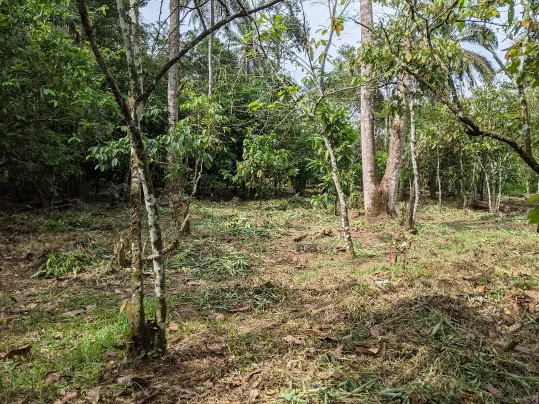
Host ecology in Sierra Leone
Four years of small-mammal trapping across the gradient from forest to dwelling, and what land use does to the reservoir community.
-
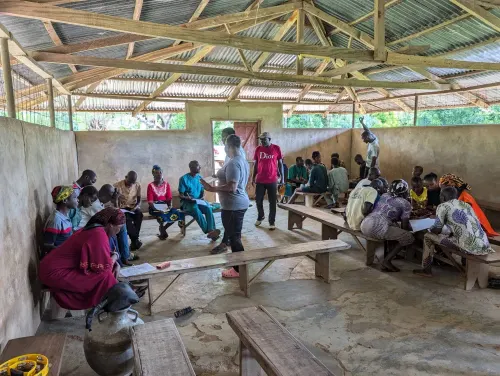
SCAPES, Nigeria
Human exposure to Lassa virus at village scale, and the behaviours that generate contact with rodents.
-
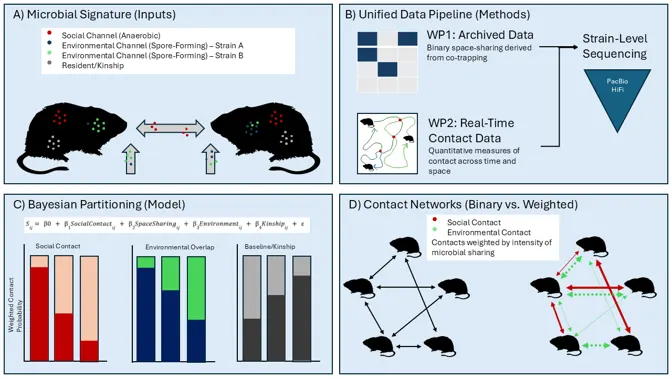
Bank voles at Uppsala
From September 2026, microbial sensors for the contact networks that drive environmental transmission.
-
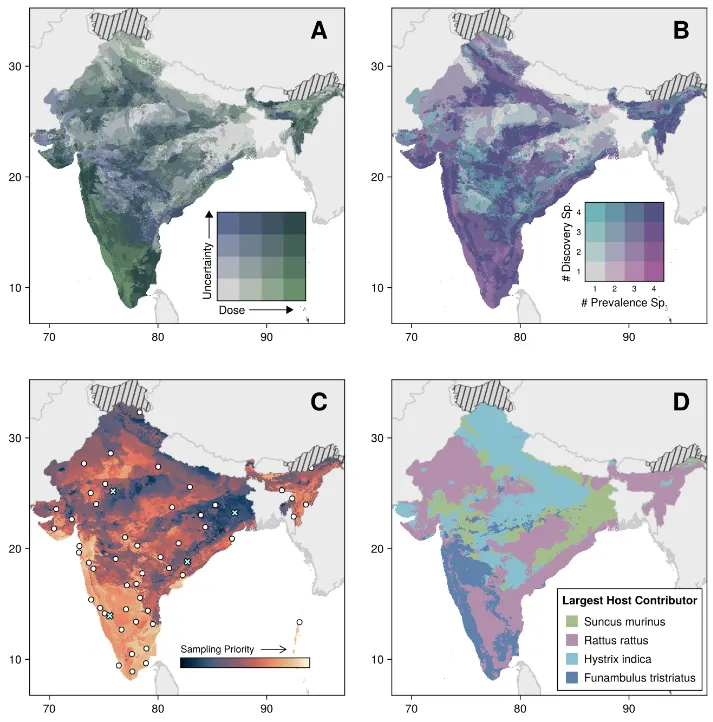
Surveillance and outbreak response
Where to sample when resources are finite. Plus earlier work on COVID-19 and mpox.
-
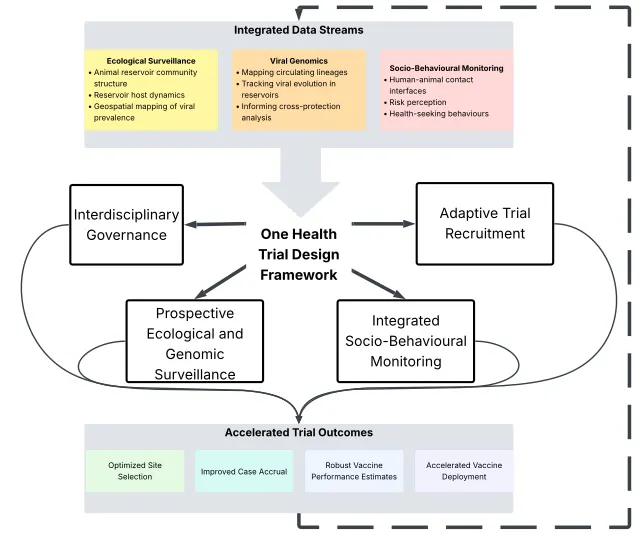
Vaccines and trial design
Designing trials for pathogens that arrive from wildlife, and the commitments that should govern self-disseminating vaccines.
-
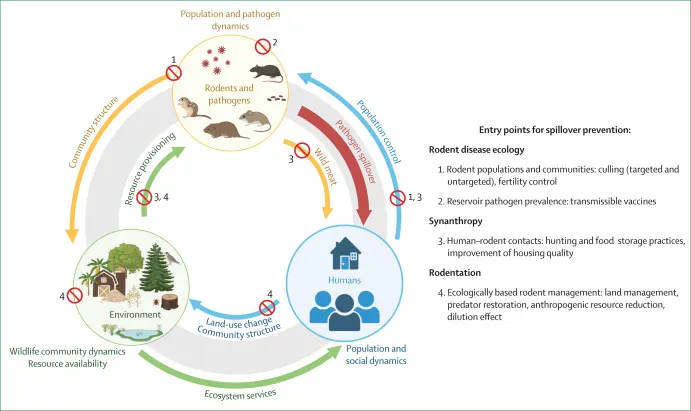
Rodent-borne disease ecology
Three pillars for prevention: disease ecology, synanthropy and rodentation.
Off the gradient
Computational and other research: synthesis, modelling, tools and the work that sits outside the field.
-
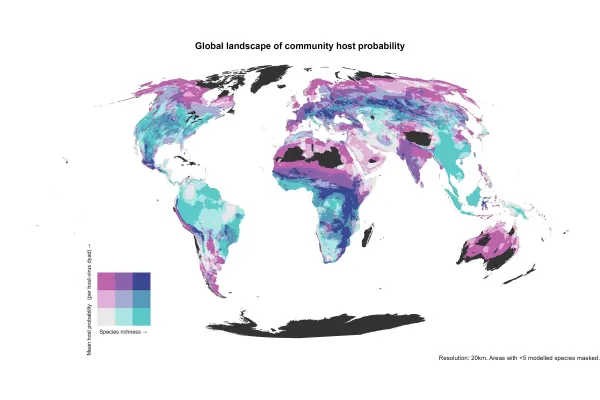
Project ArHa
A global synthesis of arenavirus and hantavirus sampling in small mammals, and what surveillance bias hides.
-
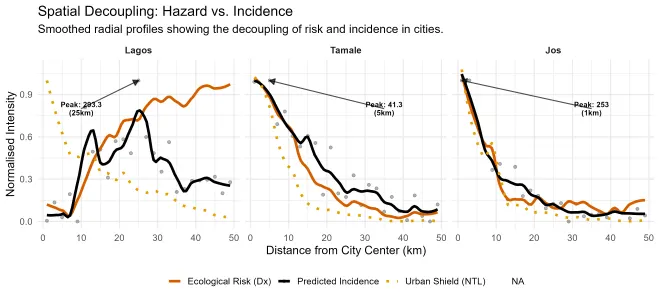
Lassa fever and cities
What happens to spillover when the gradient runs into an expanding West African city.
-
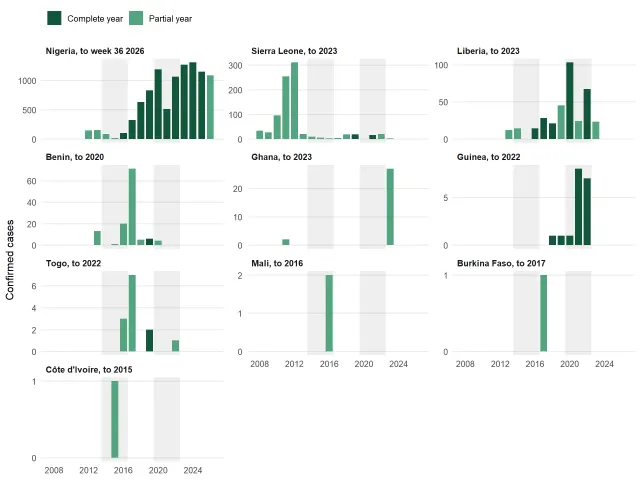
Lassa epidemiology
How many cases there really are, and what the sampling record can and cannot support.
-
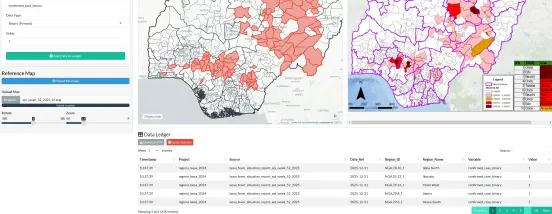
Open tools and data
Map Liberator, SiteTool, and a minimum data standard for wildlife disease research.
-
Consultancy
Quantitative epidemiology and disease modelling for health organisations and industry.
-
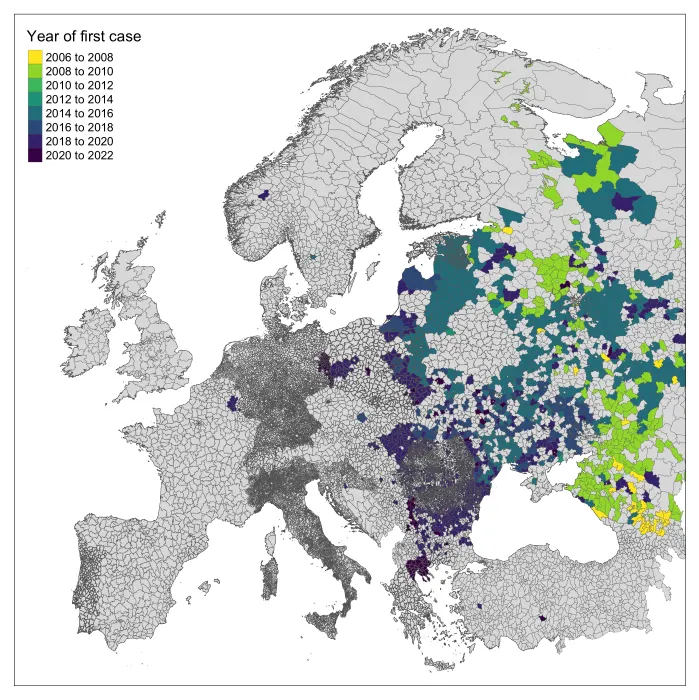
Earlier work
Antimicrobial resistance, African swine fever, peste des petits ruminants and digital health.
Last updated 4 October 2026